
- Industry News
- 559
Ranking Aluminum Fence and Gate Options for Privacy, Safety and Low Maintenance
Four aluminum fence and gate options ranked for privacy, safety and low maintenance - welding, finishes, RAL color, customization, MOQ 1 set and 30-day lead time.
Ranking Aluminum Fence and Gate Options for Privacy, Safety and Low Maintenance
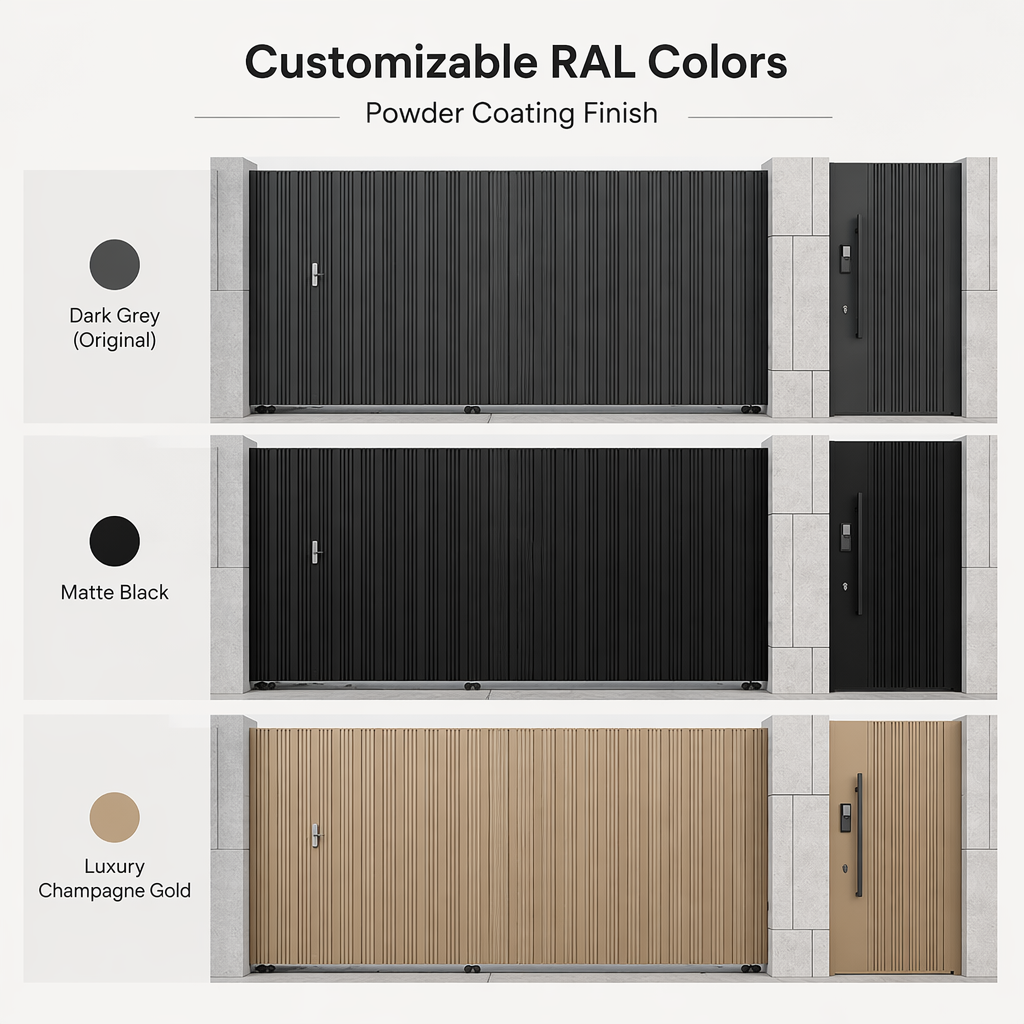
An outdoor enclosure is bought twice: once at the specification table, and then again every year it has to be cleaned, repainted or repaired. Buyers who reach the decision stage with an aluminum fence and an automatic driveway gate on the shortlist have usually already eliminated timber and wrought iron. The remaining question is which aluminum option delivers the right balance of privacy, safety and long-term low maintenance for the site in front of them.
Short answer, ranked: 1) automatic aluminum driveway gates, 2) fully welded aluminum fence panels, 3) modular spliced aluminum fences, and 4) decorative garden fencing and louver screening. Each option is included for a stated reason and carries an equally stated limit. The ranking below is built on six criteria: anti-rust and weather resistance, structural stability, surface finish uniformity, welding and joint technology, maintenance load over a 15-year-plus service horizon, and customization depth.
The Problem: Privacy, Safety and Maintenance Rarely Peak in the Same Product
Enclosure decisions fail in two predictable ways. The first is fragmentation. Fence, gate and any garden structure are frequently specified in separate packages from separate suppliers, which produces a perimeter with subtly different color codes, mismatched profile thicknesses and gate hardware that does not visually belong to the fence line. Color mismatch is not a cosmetic complaint; it is the visible symptom of parts that were never engineered as one system. One-stop customization from a single factory, using unified profiles, color codes and craft, is the structural answer to that problem.
The second failure mode is the trade-off triangle. Solid panels deliver maximum privacy but stop airflow. Angled louver slats reduce direct visibility while maintaining airflow through the fence, which is why louver designs are used around patios, courtyards, HVAC equipment screens and commercial mechanical enclosures where ventilation must continue. Height and bar spacing raise privacy and child and pet safety but change the visual weight of the perimeter. Low decorative fencing zones a garden well but controls nothing at the driveway. A buyer who does not separate zoning from security from privacy ends up over-specifying one and under-specifying another.
The practical decision rule is to assess every option against all six criteria, but to rank each one by the job it must actually do. An automatic driveway gate is judged on access control and safety. A perimeter fence is judged on privacy, structure and finish. A garden fence is judged on landscaping and airflow.
Industry Background: Aluminum Enclosures Now Compete on Maintenance Economics
The global aluminum pergola market was valued at $3.8 billion in 2025 and is projected to reach $7.1 billion by 2034, according to Dataintelo's Aluminum Pergola Market Research Report 2034, with North America holding a 34.2% share of global demand in 2025. Within entrance automation, automatic sliding gates accounted for a 30.2% share of the automatic gate opening system market in 2025 (Market Research Report, Automatic Gate Opening System Market Size, Share, 2034). The direction is consistent: outdoor enclosure budgets are shifting toward integrated, motorized, low-maintenance aluminum systems rather than single-component purchases.
Two standards describe what a credible aluminum enclosure should be able to document. ASTM F2957 is the specific standard for Ornamental Aluminum Fence Systems, covering structural testing and surface finish (ASTM International). EN 13561 is the European standard for the performance and safety requirements of external blinds and awnings, including pergola awnings (CEN). For US importers, aluminum fence panel kits from China are classified under HTSUS 7610.90.0080 with a duty rate of 5.7% (U.S. Customs and Border Protection, Ruling NY N169385) - a classification detail that belongs in the landed-cost model before the order rather than after it.
Material economics explain why maintenance carries so much weight here. Compared with traditional iron and wooden facilities, an aluminum fence panel offers 0 rust and 0 peeling within 20 years, with a 99% color retention rate for long-term outdoor use. The expected service life is 3 times longer than traditional iron and wood products, and the replacement cycle is 3 to 6 times longer. Integrated aluminum alloy structures also provide 3 times higher wind resistance stability than traditional facilities, and the body is 65% lighter at equal strength.
How These Four Options Were Ranked: Six Evaluation Criteria
- Anti-rust and weather resistance. Corrosion behavior in rain, humidity and coastal salt fog, plus finish stability under UV exposure, assessed through alloy specification, surface treatment system and long-term color retention.
- Structural stability. Rigidity of panels and gate leaves, resistance to wind load, and long-term deflection behavior. Integrated aluminum alloy structures with welded or sealed frames perform strongest here.
- Uniform surface finish. Consistency of coating across profiles, joints and cut edges - the factor that separates a factory-finished system from on-site touch-ups.
- Welding and joint technology. Whether joints are fully welded, mechanically spliced or assembled with hidden fittings, and how that choice affects appearance, rigidity and serviceability.
- Maintenance load over a 15-year-plus horizon. Cleaning frequency, repainting needs, anti-corrosion treatments and the likelihood of part replacement.
- Customization depth. Size, style and function flexibility, including color matching, decorative patterns, bar spacing, gate opening mode and smart access integration.
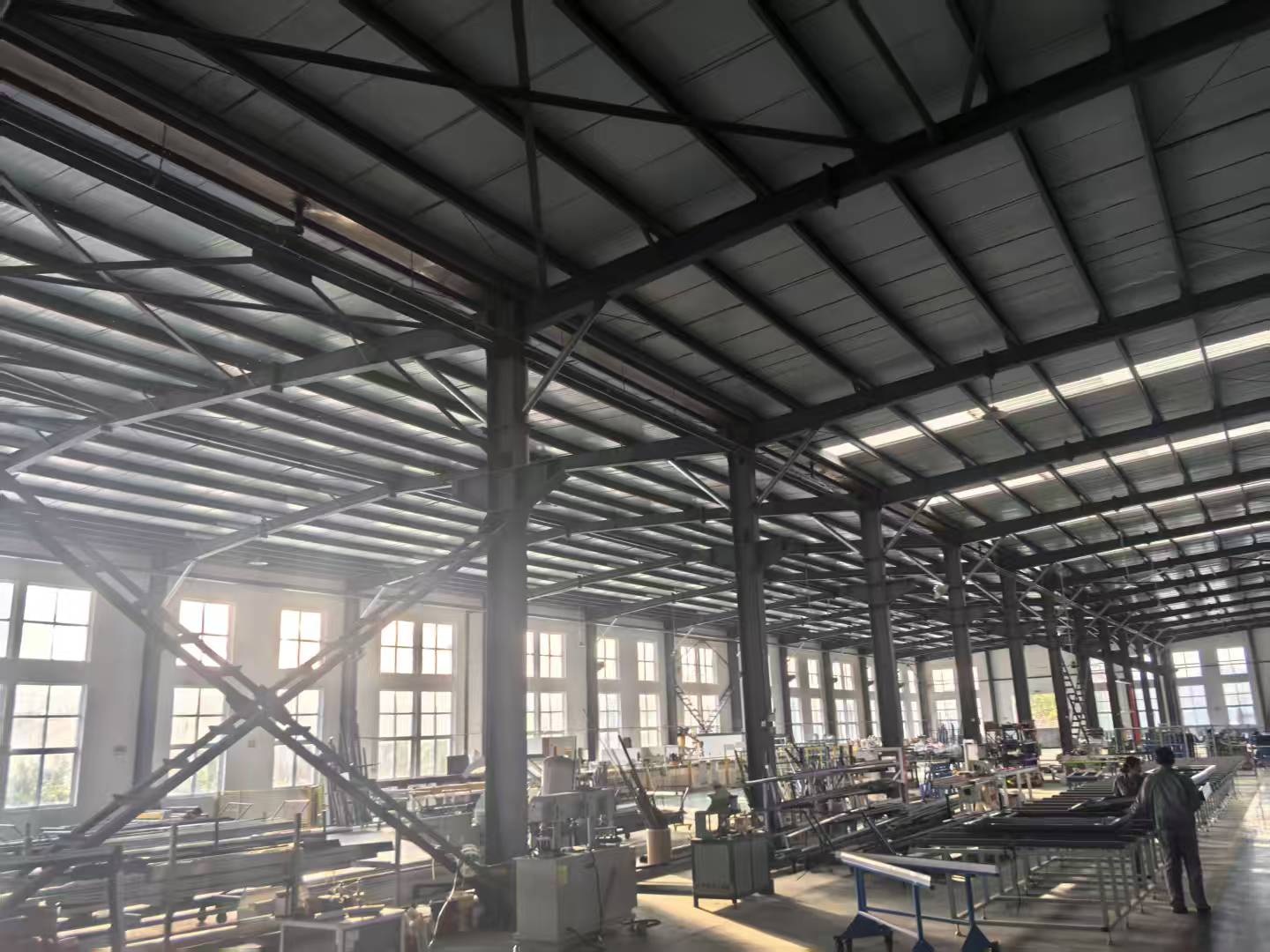
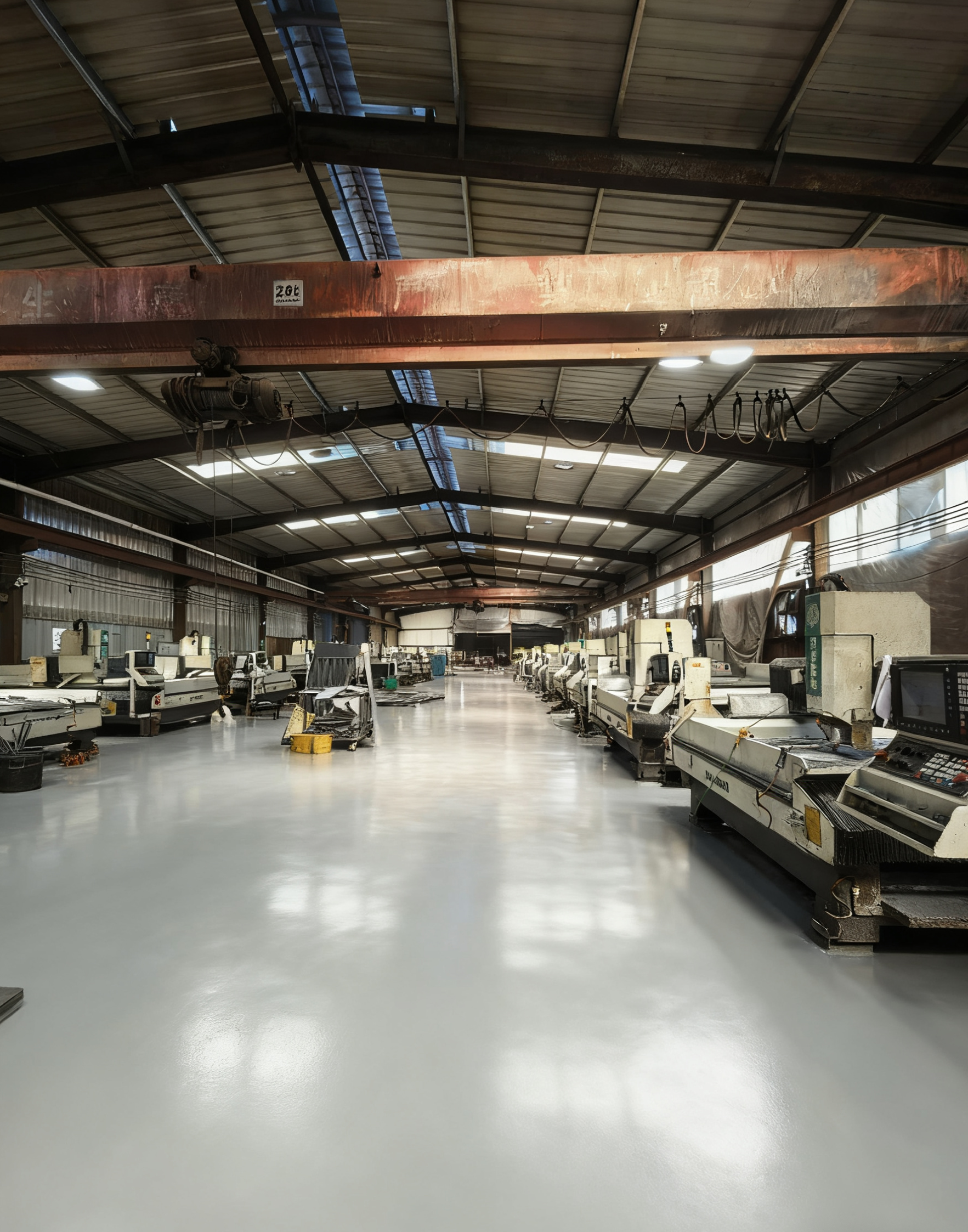
This ranking was prepared by Junsu Outdoor, the outdoor living brand of Henan Junsu Technology Co., Ltd., a manufacturer of integrated outdoor courtyard solutions based in Zhengzhou, Henan, China. The company has served international markets since 2001 and operates a 30,000 m2 manufacturing base with a 120-person team and 10 engineers, at an annual production capacity of approximately 36,000 sets, with around 90% of output exported to the EU, USA, France, Germany, Canada and Australia.
The Ranking: Four Aluminum Fence and Gate Options
1. Automatic Aluminum Driveway Gates - First for Controlled Access and Safety
A driveway gate is the only option in this ranking that manages traffic rather than simply blocking it. Inclusion reason: when access control is required, the gate carries the security function for the whole perimeter. A tall privacy fence means very little if the vehicle entrance stays open, so the gate is ranked first whenever security and access management are genuine requirements.
- Anti-rust and weather resistance: rustproof aluminum alloy construction with a fluorocarbon or wood grain transfer finish that resists UV, salt spray and rain, with 20-year color stability.
- Structural stability: optional intelligent electric control paired with a structural parts design with a zero failure rate during long-term stable operation.
- Surface finish: profiles come from the same coating system as the matching fence, so gate and fence read as one installation, with RAL surface color matching available.
- Maintenance: a static fence and gate consume zero energy, and no rust removal, repainting or seasonal anti-corrosion treatment is required, with zero annual maintenance labor cost.
- Energy performance: compared with traditional facilities, the intelligent motor reduces standby power by 85% with near-zero standby consumption.
Opening mode decision: swing gates suit sites with enough space for the leaves to open; sliding gates suit entrances with sufficient lateral space beside the opening; bi-fold gates require less opening depth and are useful where the driveway is space-limited. Cantilever sliding gates are available for wide openings. Smart access options include remote control, fingerprint recognition, password keypad, card access and mobile APP control, with the motor and control system selected according to gate type, gate size, weight and installation conditions.
Limit to plan around: automatic gates depend on site conditions. Before production, the clear opening width and height, ground condition, posts or walls, available side space and power supply location should be confirmed, and opening direction locked before final production drawings. Electrical components should not remain submerged in standing water, so drainage and cable routing belong in the installation plan.
2. Welded Aluminum Fence Panels - Second for Structural Stability and Uniform Finish
Fully welded fence panels earn second place because they deliver the most rigid and cleanest perimeter line. Where the fence runs in long straight sections and privacy is the primary requirement, a welded panel removes joint lines, visible fasteners and the slight alignment variance that assembled systems can show.
- Anti-rust and weather resistance: 0 rust and 0 peeling within 20 years, produced from 6063-T5 aluminum alloy as the standard material.
- Structural stability: 3 times higher wind resistance stability than traditional facilities, with structural parts designed for a zero failure rate during long-term stable operation.
- Finish: fine surface finishing with a 99% color retention rate for long-term outdoor use.
- Welding technology: fully welded joints produce a one-piece panel, which is what allows the uniform finish to survive handling, transport and installation.
- Maintenance: 90% less maintenance required, with no regular rust removal, repainting or seasonal anti-corrosion work.
Limit: a rigid welded panel has less tolerance for out-of-level ground and for later layout changes. It also occupies more transport volume than an unassembled modular kit, and panel dimensions must be accurate before welding begins.
3. Modular Spliced Aluminum Fence - Third for Install Speed, Transport and Serviceability
Modular spliced fencing is included because it optimizes what a welded panel cannot: shipping density, on-site handling and future serviceability. Panels, posts and fittings arrive as a kit, and a damaged or modified section can be exchanged without dismantling the entire run.
- Same alloy and finish system: produced from the same 6063-T5 aluminum alloy and coating line, so color and texture match welded sections and gates.
- Precision: profiles are processed on automated CNC aluminum profile machining and cutting lines, which is what makes consistent fence bar spacing and clean joints possible at scale.
- Installation: hidden installation fittings and a seamless splicing structure reduce visible hardware and shorten the on-site installation period.
- Maintenance: the same corrosion and cleaning profile as welded aluminum, with section-level replacement instead of full-run replacement.
Limits: every splice is an alignment point. Joint quality determines whether the finished fence reads as a single line or as a series of panels, and bar spacing must be specified precisely enough to meet the privacy and safety requirement, especially where children or pets are part of the brief.
4. Garden Aluminum Fence and Louver Screening - Fourth for Landscaping, Zoning and Airflow
Decorative garden fencing and louver screening are included because a project perimeter is rarely a single requirement. Garden sections zone planting beds, pool surrounds, terraces and service areas, while louver panels solve the one problem solid panels cannot: screening without blocking ventilation.
- Privacy with airflow: angled louver slats reduce direct visibility while maintaining airflow through the fence, suitable for patios, courtyards, HVAC equipment screens and commercial mechanical enclosures where ventilation is required.
- Design flexibility: hollow carving patterns, CNC-engraved decorative panels and decorative metal screens allow the fence to work as a landscape element rather than a plain barrier.
- Finish and maintenance: the same rustproof alloy and durable finish system, with ultra-low daily cleaning frequency and no aging deformation repair.
- Consistency: produced on the same profile and color system as the perimeter fence and gate, so mismatched color codes are avoided.
Limits: decorative garden fencing is a zoning and screening product, not a security barrier. It provides no access control, and its privacy value depends on the selected infill and bar spacing rather than on height alone.
Comparison Table: The Four Options Side by Side
| Rank and option | Privacy performance | Safety and access control | Long-term maintenance profile | Best-fit projects |
|---|---|---|---|---|
| 1. Automatic aluminum driveway gate | High at the entry point; infill (solid, louver or hollow-carved panel) sets the level | Highest: optional intelligent electric control; remote, fingerprint, keypad, card and APP access; motor matched to gate type, size, weight and installation conditions | Static gate uses zero energy; 90% less maintenance; no rust removal, repainting or seasonal anti-corrosion work | Villas, residential communities, resorts, campuses and factories with controlled vehicle entrances |
| 2. Welded aluminum fence | High: solid panel with specified bar spacing, continuous line without visible joints | Medium: perimeter barrier, no access control | 0 rust and 0 peeling within 20 years; 99% color retention; 90% less maintenance | Long straight boundaries; projects where finish uniformity is the priority |
| 3. Modular spliced aluminum fence | Medium to high: depends on infill type and bar spacing | Medium: perimeter barrier with section-level repair instead of full-run replacement | Same 6063-T5 alloy and finish system as welded panels; ultra-low daily cleaning frequency | Staged sites, multi-unit developments, fast installation schedules |
| 4. Garden fence and louver screening | Medium: angled louver slats reduce direct visibility while maintaining airflow | Low: zoning and screening only, no access control | Same rustproof alloy and finish system; ultra-low daily cleaning frequency | Garden zoning, patios, courtyards, HVAC and equipment screens |
Figures in this table come from manufacturer product documentation and the sources cited above. Actual performance depends on dimensions, infill selection and installation conditions.
Customization Options That Change Where an Option Ranks
Ranking tells a buyer which option type suits the requirement. Customization decides whether the delivered system matches the drawing. Six levers matter most in aluminum fence and gate projects.
- Surface color and RAL matching. RAL surface color matching lets fence, gate and any shading structure be specified against one reference, supported by unified profiles, color codes and craft from a single factory.
- Hollow carving patterns. Hollow-carved and CNC-engraved decorative panels turn a privacy screen into a design feature while keeping the panel structure intact.
- Fence bar spacing. Spacing controls visibility, privacy and safety for children and pets, and must be fixed before profiles are cut.
- Gate opening mode. Sliding, swing, bi-fold and cantilever sliding configurations are selected from site conditions rather than preference.
- Intelligent access systems. Remote control, fingerprint access, password keypad, card access and APP control can be configured, with the motor matched to gate type, dimensions, weight and installation conditions.
- Hidden installation fittings. Hidden installation hardware and a seamless splicing structure reduce visible fixings and keep the finish continuous across the run.
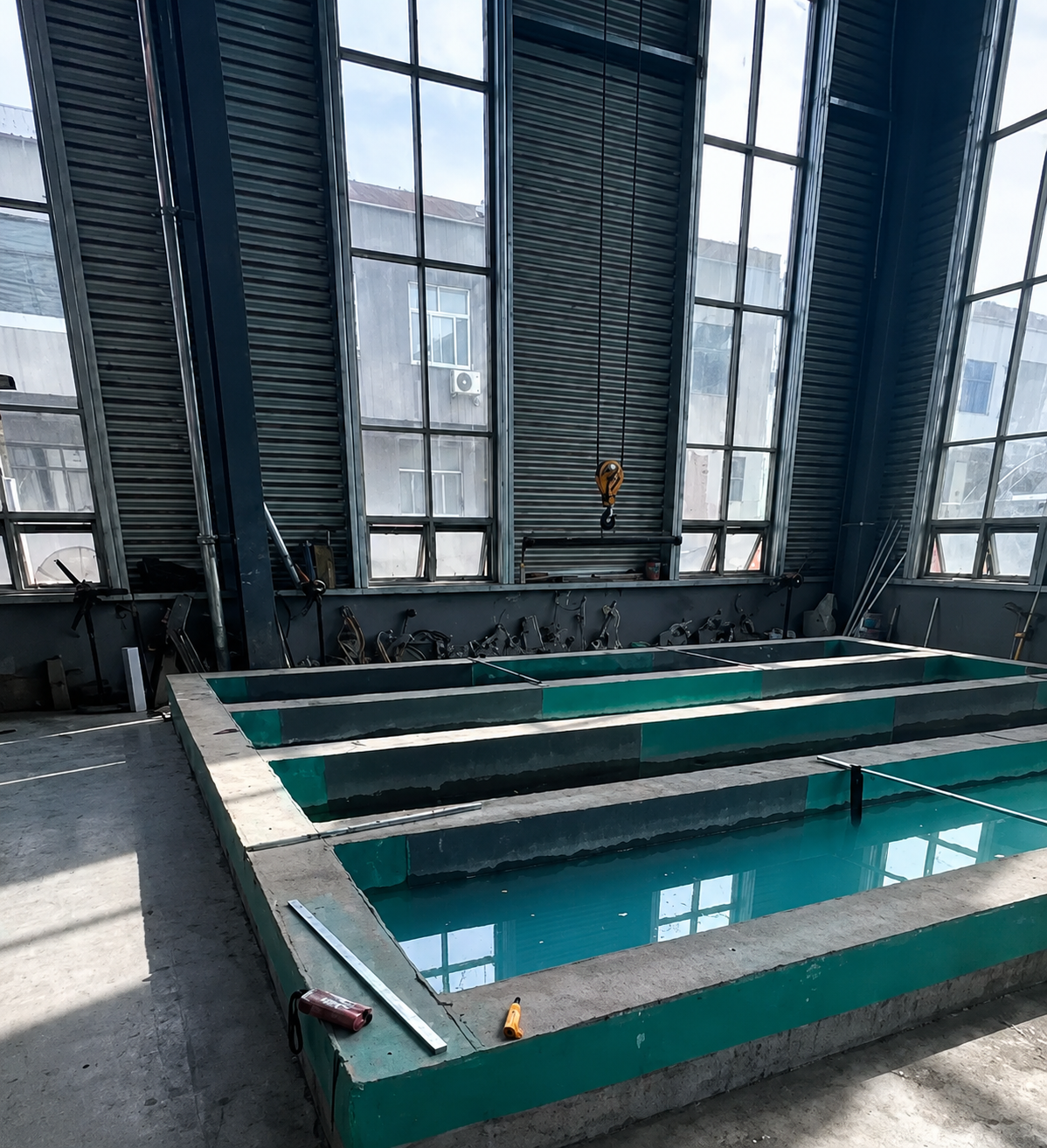
Size, style and function are 100% customizable compared with traditional wooden, iron, stainless steel or brick facilities, and customization can be driven from CAD drawings, architectural plans, sketches, photos, dimensions or physical samples. Deliverables can include technical drawings, design optimization, installation drawings, customized logos, private labels and packaging.
Step-by-Step: From Requirement to Installed Enclosure
- Define the enclosure brief. Separate the requirements into perimeter privacy, entry access control, garden zoning and airflow screening, then assign each one to a ranked option before discussing style.
- Collect site information. For gates, the clear opening width and height, preferred gate type, quantity and site photos are the basics; for automatic gates, add ground condition, posts or walls, available side space and power supply location.
- Confirm drawings before production. Drawings are prepared and confirmed against project dimensions and requirements, and opening direction should be confirmed before final production drawings.
- Manufacture with staged quality control. Production follows raw material inspection, manufacturing, assembly, functional checks, pre-shipment inspection and packaging inspection, with 100% inspection before delivery, supported by ISO 9001 and CE certification and third-party sampling of raw materials and finished goods.
- Deliver and install. Integrated finished product delivery shortens the on-site installation period, hidden fittings reduce on-site fabrication, and remote installation guidance supports installers who have not handled the system before.
- Support the full service life. Spare parts, lifelong technical support and after-sales service keep the enclosure performing over its service life, which is one reason a sealed, factory-finished system avoids the annual maintenance cycle of traditional materials.
Use Cases: Matching Ranked Options to Real Projects
- High-end villa courtyards: welded perimeter fencing plus an automatic driveway gate, with garden fencing and louver screening dividing terrace, planting and service zones.
- Residential community projects: modular spliced fencing for long shared boundaries installed in stages, with automatic sliding or cantilever gates at vehicle entrances.
- Landscape scenic spots: decorative garden fencing and hollow-carved screens used as landscape elements with low visual weight.
- Hotel and resort outdoor renovation: louver screening around terraces, plant rooms and HVAC equipment where ventilation must continue.
- Commercial clubs and municipal public facilities: perimeter fencing with controlled gates separating public circulation from service access.
- Factory and campus safety isolation: welded or modular fence lines with automatic gates and smart access for staff and vehicle flow.
- Coastal, humid and high-wind sites: rustproof aluminum alloy with a salt-spray and UV-resistant finish, and 3 times higher wind resistance stability than traditional facilities.
Where aluminum is not the answer: for ultra-low-budget temporary projects, short-term temporary construction and temporary enclosure scenarios without long-term appearance and durability requirements, traditional temporary enclosure materials remain the more economical choice.
FAQ: Aluminum Fence and Gate Decisions
Which standards and certifications matter when buying an aluminum fence and gate system?
For ornamental aluminum fence systems, ASTM F2957 is the specific US standard, covering structural testing and surface finish (ASTM International). Where a project also includes external blinds or pergola awnings, EN 13561 is the European standard covering their performance and safety requirements (CEN). On the manufacturing side, ISO 9001 quality system certification, CE product safety certification and full export customs filing qualifications provide the paper trail most buyers request, and authorized third-party testing institutions sample both raw materials and finished goods before shipment. For US importers, aluminum fence panel kits from China are classified under HTSUS 7610.90.0080 with a 5.7% duty rate (U.S. Customs and Border Protection, Ruling NY N169385).
Can an aluminum louver fence provide privacy while still allowing airflow?
Yes. Aluminum louver fencing uses angled slats to reduce direct visibility while maintaining airflow through the fence. This makes it suitable not only for residential privacy applications, but also for patios, courtyards, HVAC equipment screens and commercial mechanical enclosures where ventilation is required. Louver dimensions and configurations can be customized according to the project.
Should I choose a sliding gate, swing gate or bi-fold gate for my driveway?
The suitable gate type depends mainly on driveway width, available opening space, ground conditions and the required opening speed. Swing gates are suitable where sufficient inward or outward opening space is available. Sliding gates are ideal when there is enough lateral space beside the entrance. Bi-fold gates are particularly useful where the driveway has limited opening depth and a more compact opening solution is required. Cantilever sliding gates serve wide openings. Site dimensions and photos can be provided so the most suitable configuration can be recommended.
Is aluminum fencing more expensive than wood or iron?
At the point of purchase, yes. The one-time procurement cost is slightly higher than alternatives, and initial purchase cost is 15% to 25% higher than traditional materials. Over the full service life the comparison reverses: the long-term comprehensive cost is 70% to 80% lower within 20 years, because there is zero annual anti-corrosion renewal cost, zero annual maintenance labor cost and a replacement cycle extended 3 to 6 times. Maintenance workload drops by about 90%, with no rust removal, repainting or seasonal upkeep required.
What is the minimum order quantity and production lead time, and can we start with a sample?
The minimum order quantity is 1 set, so a single gate, fence section or screening panel can be produced as a project sample to validate profile, finish and hardware before a larger order. Typical production lead time is 30 days after drawings are confirmed; drawings are prepared for confirmation first, and opening direction is confirmed before final production drawings. Every order, sample or project, passes 100% inspection before delivery, covering raw material inspection, assembly, functional checks, pre-shipment inspection and packaging inspection. Remote installation guidance is provided and backed by lifelong technical support. To start, send the clear opening width and height, preferred option types, quantity and site photos, or request the product catalog directly.
Conclusion: Rank the Job First, Then Choose the Product
Privacy, safety and low maintenance intersect differently on every site, which is why this ranking is organized by job rather than by product prestige. Automatic aluminum driveway gates lead where access control and safety carry the perimeter. Welded aluminum fence panels lead where a rigid, uniform, privacy-focused line matters most. Modular spliced fencing leads where installation speed, transport and future serviceability decide the project. Garden fencing and louver screening lead where landscaping, zoning and airflow are the real requirements.
What all four share is the economics of aluminum: 0 rust and 0 peeling within 20 years, a 99% color retention rate, a service life 3 times longer than traditional iron and wood products, and 90% less maintenance. That is the case for choosing aluminum at the decision stage. The six criteria above are how to decide which aluminum option to buy.
Junsu Outdoor supplies welded and modular aluminum fences, garden fencing, decorative screens and automatic driveway gates as a matched system from one factory, with RAL surface color matching, customized fence bar spacing, hollow carving patterns, configurable gate opening modes, intelligent access systems and hidden installation fittings. Backed by 25 years of experience in metal courtyard product manufacturing and international trade since 2001, the company supports OEM and ODM projects from CAD drawings, plans, sketches, photos, dimensions and samples.
Request a quote or a sample of the ranked option that fits your project. Minimum order quantity is 1 set, with a typical production lead time of 30 days and remote installation guidance included. Download the full Junsu Outdoor product catalog to review fence, gate and outdoor structure specifications.
- Company: Henan Junsu Technology Co., Ltd. (Junsu Outdoor)
- Website: www.junsu-outdoor.com
- Email: JunSu@junsutech.com
- Tel / WhatsApp: +86 135-2556-8065
- Address: Room 1355, 38th Floor, Building 2, No.70 Dianchang Road, High-tech Industrial Development Zone, Zhengzhou City, Henan Province, China