- Industry News
- 1049
Outdoor Living Solutions: Reducing Long-Term Maintenance Costs
Aluminum pergolas, fences and gates cut long-term outdoor maintenance costs. Material facts, drainage and motor details, a cost comparison and specification steps.
Outdoor Living Solutions: Reducing Long-Term Maintenance Costs
The cheapest outdoor structure to buy is seldom the cheapest to own. Long-term maintenance cost is created by corrosion, coating breakdown, trapped water and powered components that fail in service — and each of those is settled at specification, years before the first repair invoice arrives.
Aluminum alloy pergolas, fences and gates reduce long-term maintenance cost because the base material does not rust, the surface finish is specified for UV, salt-spray and rain exposure, and routine upkeep is limited to regular light cleaning. In a delivered Junsu Outdoor project, the recorded results were a 15-year long-term use duration for outdoor applications, reduced later maintenance cost, an optimized outdoor landscape effect, and improved site safety and privacy.
This article is written for buyers in the evaluation stage: owners and project teams comparing an aluminum specification against timber, steel or masonry, and weighing a 15–25% higher purchase price against two decades of upkeep. It explains where maintenance cost actually comes from, ranks the three aluminum components by upkeep exposure, and sets out the specification decisions that keep the number low.
1. Where Long-Term Maintenance Cost Actually Comes From
Maintenance cost in outdoor shading and enclosure structures is concentrated at four points: the base material, the surface coating, the water path, and the moving or powered parts.
- Base material. Ferrous metals corrode; timber ages, deforms and needs periodic protection. Once corrosion or rot starts inside a frame or post, the repair is structural rather than cosmetic.
- Surface coating. Coating failure shows up as chalking, fading and loss of adhesion, and it converts a decorative surface into an annual recoating task.
- Water path. Rain that is not collected and guided away sits in joints, channels and fixing points — exactly where seals and fixings degrade first.
- Moving and powered parts. Louver blades, gate motors, access control and safety hardware wear through cycles, not through age.
What makes these costs hard to budget is that they are invisible at purchase. A repaint is rarely just a repaint: it means access equipment, surface preparation, drying time, disposal of old coatings and re-scheduling of the space while work is under way. In a hotel courtyard, a residential community or a public park, that disruption is a cost even when the labour itself is cheap.
Exposure decides how fast the four failure points arrive. Open and windy sites load frames and fixings; high-temperature rainy environments stress coatings and seals; humid coastal and salt-fog areas accelerate corrosion on any ferrous component. These are the conditions where a low-maintenance material stops being a preference and becomes a budget control.
Where aluminum is the wrong specification. Aluminum is not the low-cost answer for ultra-low-budget temporary projects, short-term temporary construction, or temporary enclosure scenarios without long-term appearance and durability requirements. For those, the purchase price dominates and the 15-year ownership case does not apply.
2. Industry Background: Why the Category Is Moving Toward Aluminum
Published market data points to steady structural growth rather than a niche trend. Dataintelo values the global aluminum pergola market at USD 3.8 billion in 2025 and projects USD 7.1 billion by 2034, with North America holding a 34.2% share of global demand in 2025. Fortune Business Insights sizes the narrower bioclimatic pergola segment at USD 600.87 million in 2026, rising to USD 1,049.46 million by 2034 at a CAGR of 7.22%.
Two standards give buyers a way to test claims instead of trusting them. EN 13561:2015 sets the European performance and safety requirements for external blinds and awnings, including pergola awnings. ASTM F2957 is the US standard for ornamental aluminum fence systems, covering structural testing and surface finish. A specification that references these frameworks can ask for evidence rather than adjectives.
Landed cost belongs in the same model when the asset is being evaluated over 15 years. Aluminum fence panel kits from China enter the USA under HTSUS 7610.90.0080 at a duty rate of 5.7% — a line item that sits next to maintenance in a total-cost comparison, not apart from it.
3. The Low-Maintenance Solution: Aluminum Alloy Pergolas, Fences and Gates
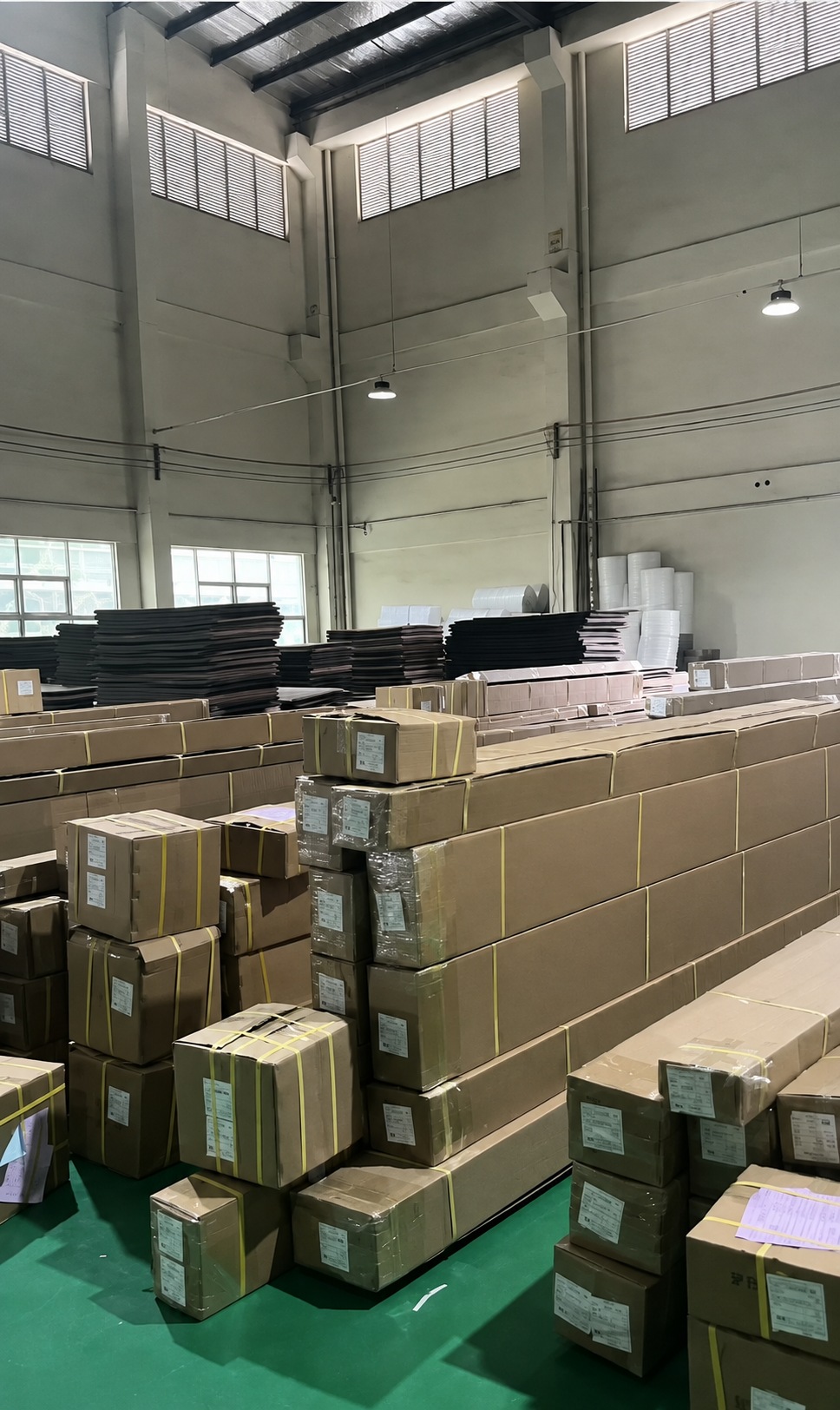
Junsu Outdoor (Henan Junsu Technology Co., Ltd.) is a Chinese manufacturer of integrated outdoor courtyard solutions — aluminum pergolas, aluminum fences and automatic driveway gates — established in 2001, operating a 30,000 m² production base with 120 employees and an annual output of approximately 36,000 sets, and exporting about 90% of production to the EU, USA, France, Germany, Canada and Australia.
The material baseline is 6063-T5 aluminum alloy, used as standard across the range. Anti-rust and weather resistance, structural stability and a uniform surface finish are the characteristics the manufacturer documents for delivered projects — the three properties that map directly onto the three highest-cost maintenance points: corrosion, coating breakdown and frame integrity.
3.1 Aluminum and bioclimatic pergolas: removing the repainting cycle
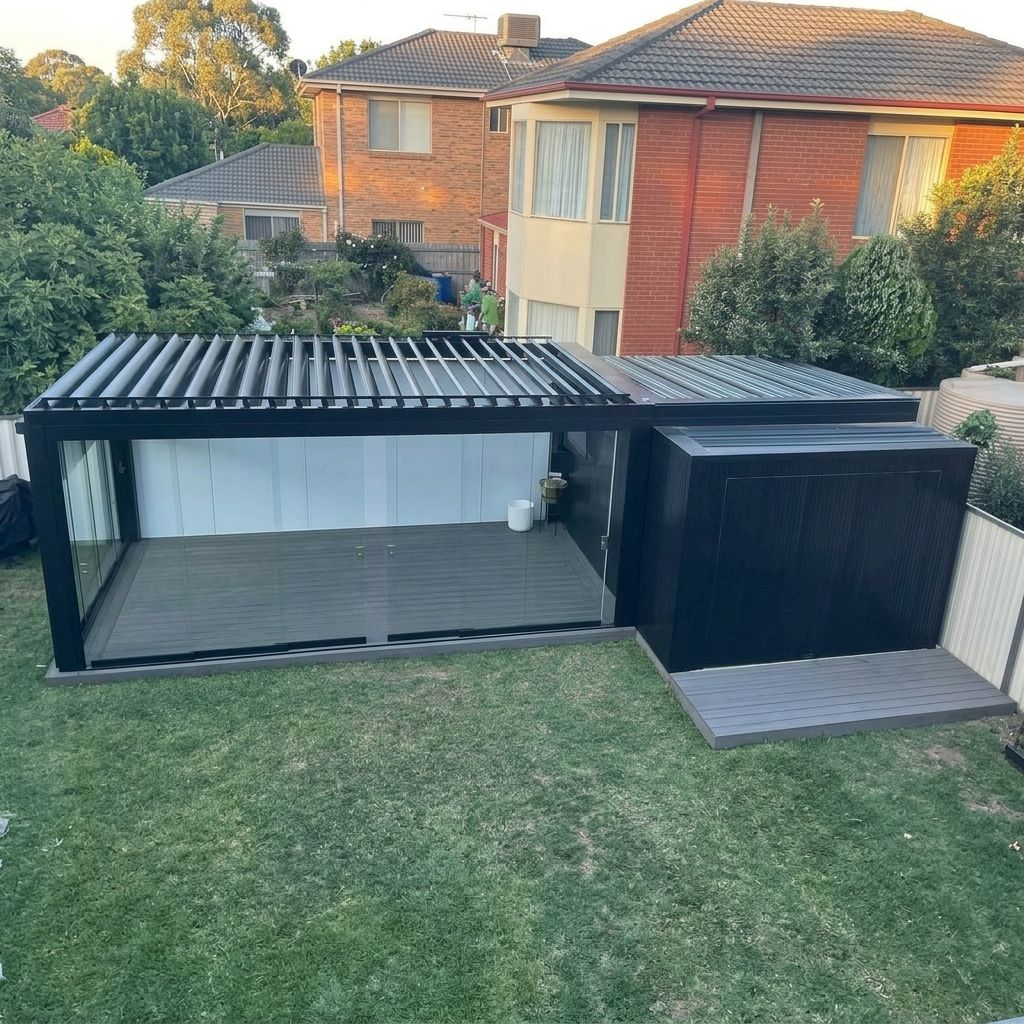
An aluminum louvered pergola eliminates most of the upkeep associated with fabric canopies and timber frames. The roof can be specified manual or electric, standard sizes are 3×3 m, 3×4 m, 4×4 m and 3×6 m with custom dimensions available, and bioclimatic models 147, 163, 175 and 220 can be configured wall-mounted or free-standing, including multi-zone layouts and special cuts and angles for irregular courtyards.
Water management is the maintenance issue buyers most often miss. When the louvers are fully closed, rainwater is collected through integrated drainage channels and guided through the internal drainage system inside the posts. That keeps water off the walking surface and out of the frame joints where standing water would otherwise attack seals and fixings. Stated structural figures for the range are 100 kg/m² snow load and 120 km/h wind resistance, with the smart system specified IP66 and a working condition range of -35 °C to 65 °C.
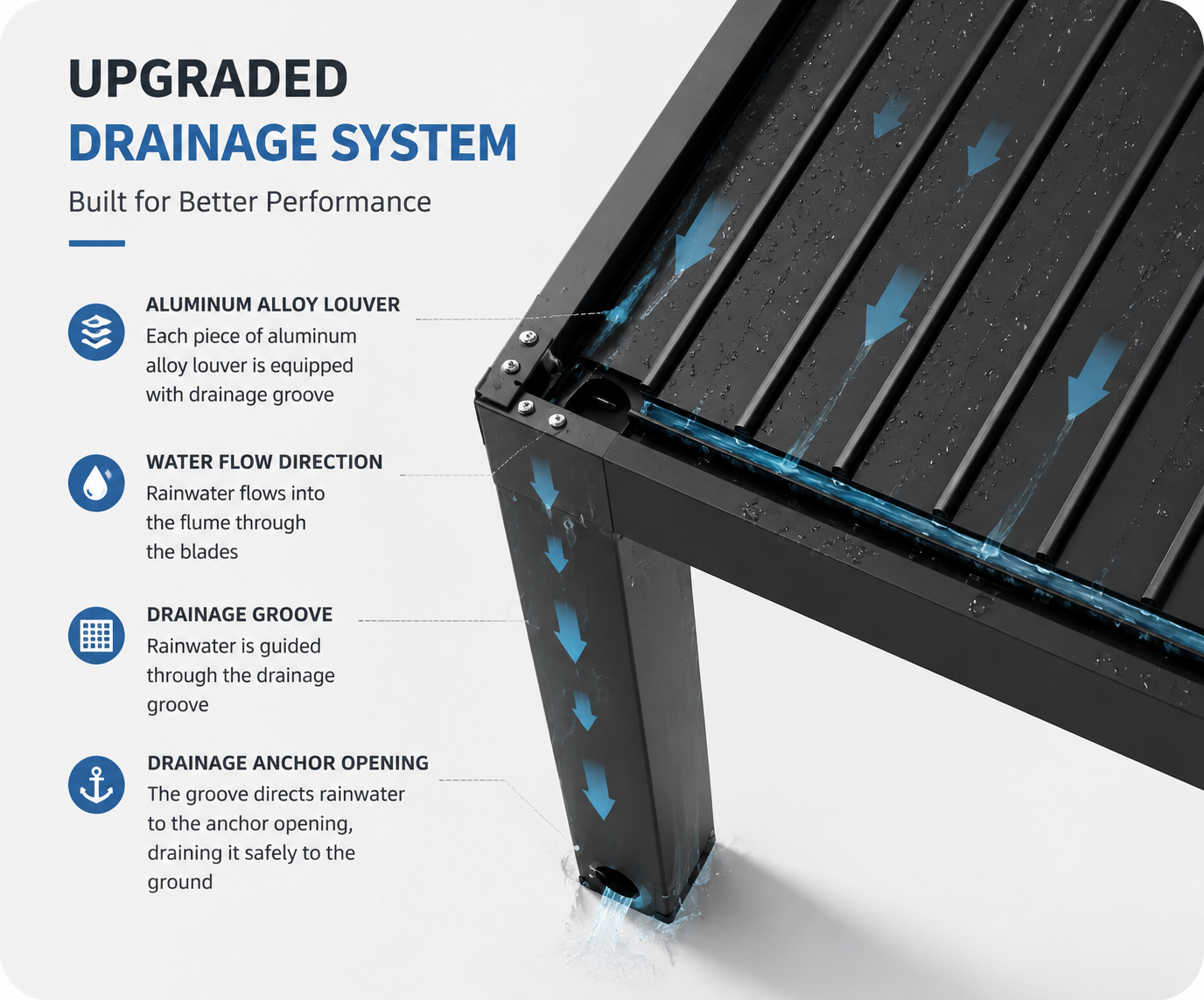
A powered roof adds convenience but also a maintenance surface. Junsu Outdoor's motorised configuration is designed for outdoor applications, with the motor, wiring and control components installed to outdoor protection requirements. Electrical components should not remain submerged in standing water, so power supply position, site drainage and cable routing are confirmed before installation rather than after. Wind and rain sensors, zip screens, LED lighting, heaters, fans and glass doors can be specified at order stage instead of retrofitted later.
3.2 Aluminum fences: solving the paint problem
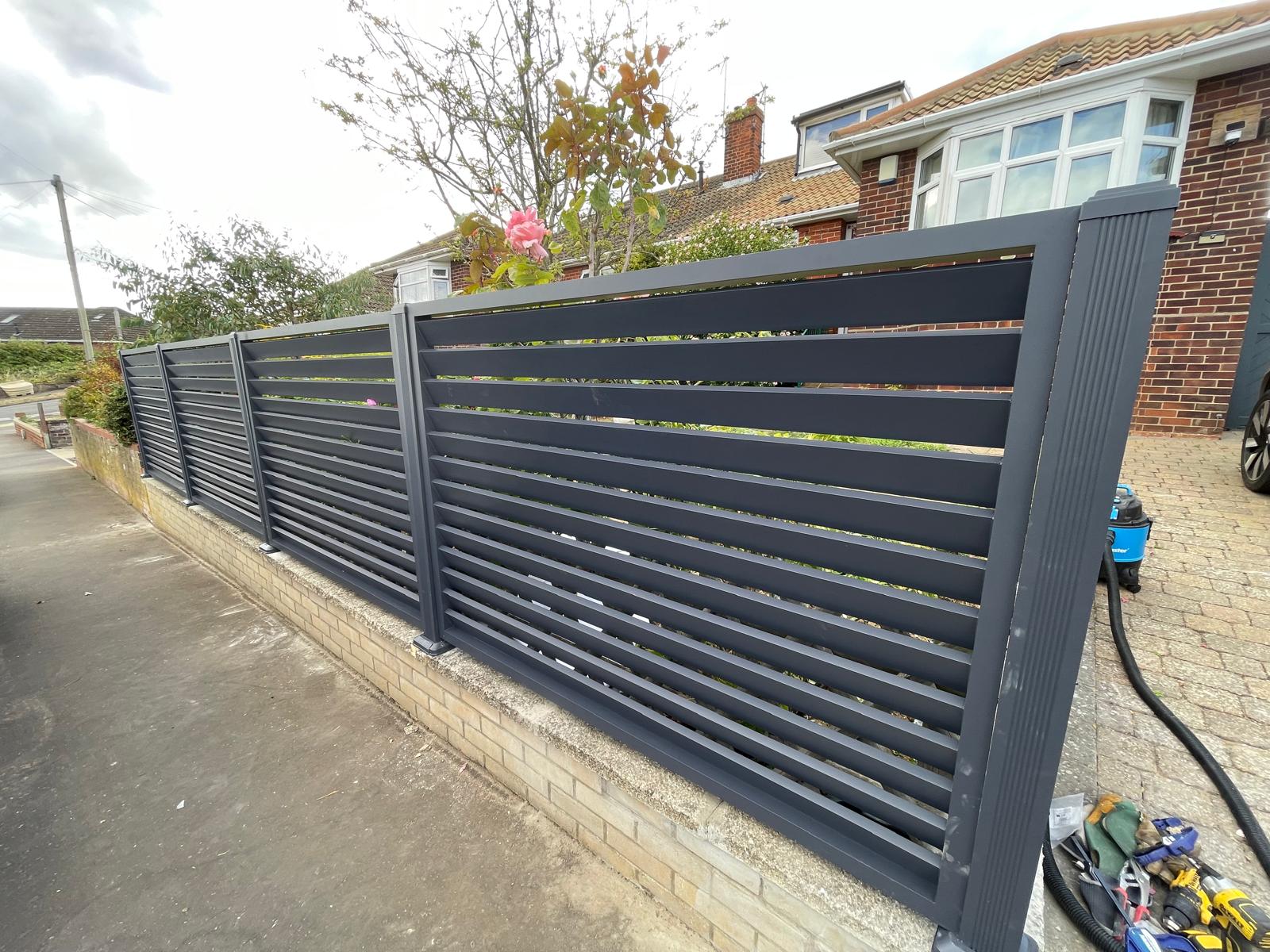
Fence maintenance is usually a coating problem. Aluminum fence panels remove it: the material does not rust and does not need repainting, so upkeep reduces to regular light cleaning. The same property supports the privacy function without blocking ventilation — an aluminum louver fence uses angled slats to reduce direct visibility while maintaining airflow, which makes it usable not only for residential privacy but also for patios, courtyards, HVAC equipment screens and commercial mechanical enclosures where ventilation is required.
Both welded and modular spliced fence constructions are available, and customisation covers overall dimensions, alloy profile thickness, RAL surface colour, hollow carving pattern, bar spacing, gate opening type, intelligent access system, lock and hardware style, engraved logo, anti-collision structure, bottom gap height and hidden installation fittings.
3.3 Automatic driveway gates: controlling the highest-exposure component
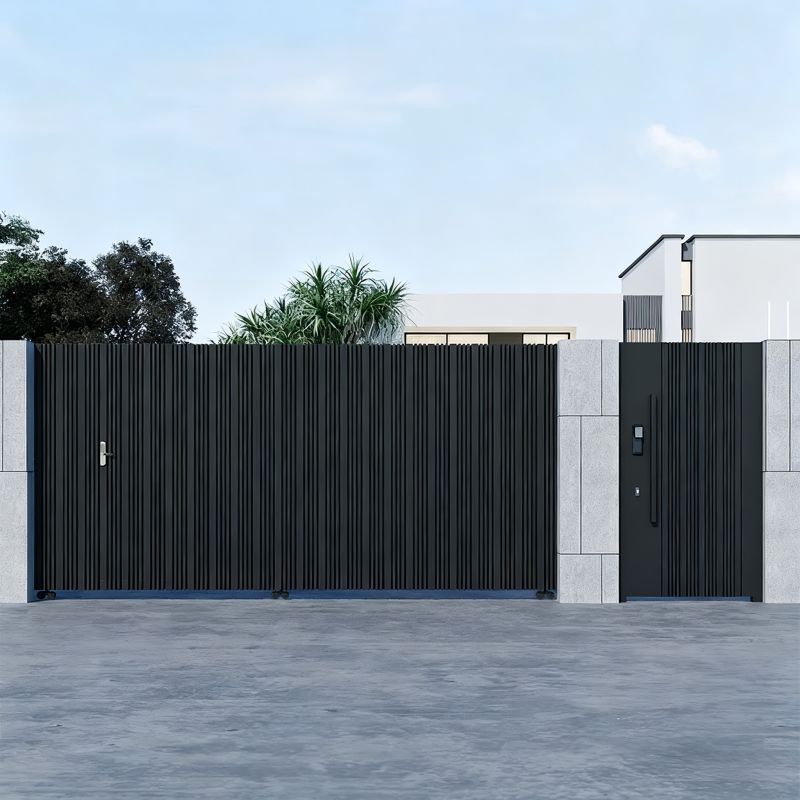
Driveway gates combine structure, power and access control, which is why they carry the highest upkeep exposure of the three components. Automatic sliding gates held a 30.2% share of the automatic gate opening system market in 2025, and gate type is normally decided by site geometry rather than preference: swing gates need sufficient inward or outward opening space, sliding gates need lateral space beside the entrance, and bi-fold gates suit driveways with limited opening depth.
Motor selection follows gate type, gate size, weight and installation conditions. Access control can be configured with remote control, fingerprint recognition, password keypad, card access and mobile app control, with cantilever sliding and standard sliding configurations available. Measurement discipline protects the maintenance budget because it prevents rework: clear opening width and height, preferred gate type, quantity, site photos, ground condition, posts or walls, available side space and power supply location are confirmed before production drawings are issued.
3.4 The three levers that hold maintenance cost down
- Finish. Premium fluorocarbon and wood grain transfer finishes are specified as UV, salt-spray and rain resistant, with 20-year colour stability stated by the manufacturer. That is the difference between a surface that holds and one that needs recoating.
- Water and power. Integrated drainage, correct site drainage, protected electrical routing and wind/rain sensors reduce the two failure modes that generate service calls: water ingress and uncontrolled operation.
- One-stop colour and craft consistency. Pergolas, fences and gates ordered separately can arrive with mismatched profiles, colour codes and finishes. Sourcing all three from one factory with unified profiles and colour codes removes the mismatch that usually ends in replacement rather than repair.
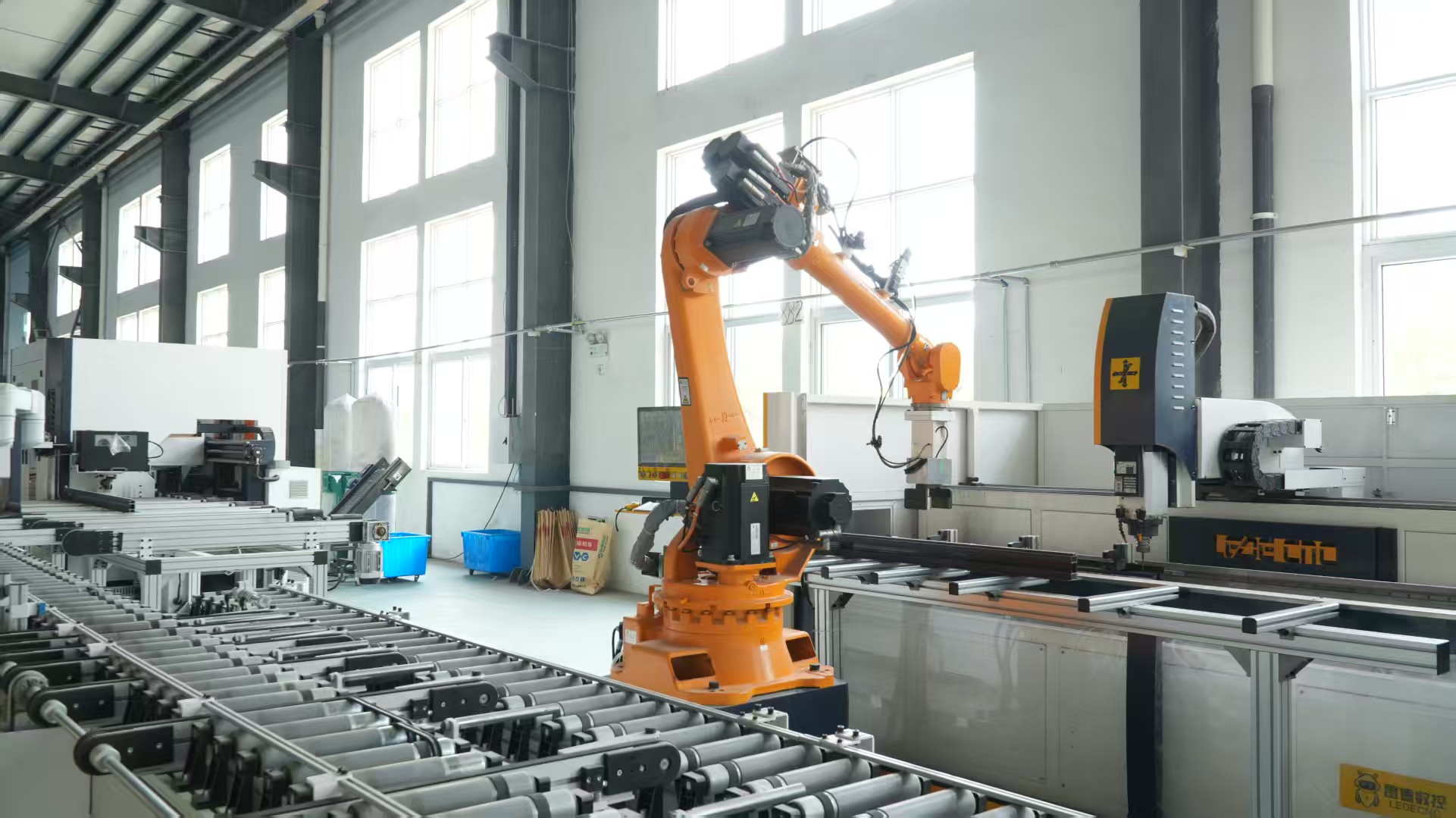
Verification sits behind those levers. Quality control covers raw material composition testing, wall thickness measurement, surface coating adhesion testing, load-bearing wind resistance testing, waterproof performance testing, motor continuous operation ageing testing and dimensional tolerance checks, with 100% pre-shipment testing before delivery. After-sales support covers long-term warranty service, free technical consultation, remote installation guidance, remote system debugging, spare parts supply, fault response, product maintenance guidance and lifelong technical support — the practical answer to the question of who pays when something moves.
4. Maintenance Ranking: The Three Aluminum Components by Upkeep Exposure
Not every component in an outdoor living package carries the same maintenance burden. Ranking them by the number of parts that can wear, move or hold water tells a project team where to spend specification attention and where a lower-cost configuration is genuinely safe.
- Rank 1 — lowest upkeep: aluminum fence and panel systems. Static structures with no powered parts. No rust, no repainting; upkeep reduces to regular light cleaning, and louver or slat configurations can add privacy without adding maintenance.
- Rank 2 — moderate upkeep: aluminum louvered and bioclimatic pergolas. Moving louver blades, drainage channels and an optional motor. The drainage system and the outdoor-protected electrical installation are the two areas that determine long-term reliability, and both are fixed at design stage.
- Rank 3 — highest upkeep: automatic driveway gates. Motor, access control and safety hardware, all driven by daily cycles. Motor specification by gate type, size and weight, plus spare parts availability, is what keeps this component predictable.
5. Specifying for Low Maintenance: A Step-by-Step Process
Step 1 — Classify the exposure. Record the climate band (-35 °C to 65 °C working range), coastal salt fog, wind-driven rain, snow load requirement (100 kg/m² for the pergola range) and wind exposure (120 km/h stated resistance). The exposure profile decides the model, the finish and the fixing strategy.
Step 2 — Choose the structure and the model. For pergolas, decide wall-mounted versus free-standing, then select a bioclimatic model (147, 163, 175 or 220) and a size from 3×3 m, 3×4 m, 4×4 m, 3×6 m or custom. For gates, decide sliding, swing, bi-fold or cantilever sliding based on lateral space and opening depth.
Step 3 — Fix water and power before production. Confirm power supply location, drainage conditions, cable routing and installation surface. Electrical components must not sit in standing water, so grading and discharge points are part of the structure decision, not the landscaping afterthought.
Step 4 — Lock the finish and the evidence. Specify the coating system and request the test record behind it: coating adhesion, wall thickness, composition, load and wind resistance, waterproof performance, motor ageing and dimensional tolerance, all under 100% pre-shipment testing.
Step 5 — Contract the after-sales terms. Warranty length, spare parts supply, remote installation guidance, remote system debugging and maintenance guidance are the items that decide whether year eight costs a service visit or a replacement.
6. Use Cases: Where the Low-Maintenance Case Is Tested
Aluminum outdoor living systems have been used by individual villa owners, wholesalers and importers, landscape and construction contractors, real estate developers, and hospitality and public project clients. The delivered configurations show the range of exposure the specification has to survive: a modern aluminum louvered pergola in Belgium, a louvered pergola in the UK, a commercial electric gazebo in Italy, a bioclimatic pergola with zip screen in Spain, a wall-mounted gazebo in Singapore, a remote-control electric gazebo in Australia, and a windproof and waterproof electric gazebo in Switzerland.
The largest documented delivery was a 600-set order for the USA market, indicating scalable supply capacity for large outdoor living orders. That programme also included one-stop supporting delivery and installation across 10 destination countries: Australia, Belgium, Canada, Switzerland, France, the United Kingdom, Italy, Maldives, Singapore and the United States. The recorded outcomes were an optimized outdoor landscape effect, improved site safety and privacy, and reduced later maintenance cost over a 15-year long-term use duration.
The practical reading for a buyer is that low maintenance is not a single product property. It is the combination of a rust-free material, a finish that holds, a water path that works, and an after-sales structure that keeps spare parts available across a decade and a half of use.
7. Comparison: Aluminum Against Traditional Outdoor Materials
The comparison below uses the material and cost data published by Junsu Outdoor for aluminum versus wrought iron, solid wood and brick wall in long-term outdoor applications.
| Material | Corrosion and degradation behaviour | Annual upkeep | Replacement cycle | 20-year cost position |
|---|---|---|---|---|
| Aluminum alloy (6063-T5) | Rustproof and corrosion free; anti-rust and weather-resistant finish with 20-year colour stability stated | Zero annual anti-corrosion renewal; regular light cleaning only | Replacement cycle extended 3–6 times | Initial purchase cost 15–25% higher; overall comprehensive cost reduced by 70–80% within 20 years; maintenance workload reduced by 90% |
| Wrought iron / steel | Corrodes in humid, coastal and salt-fog conditions | Continuous annual maintenance, including anti-corrosion work | Shorter, driven by corrosion and deformation | 70%+ higher total cost over 20 years |
| Solid wood | Ages, deforms and requires repeated protective treatment | Continuous annual maintenance | Shorter, driven by ageing and deformation | 70%+ higher total cost over 20 years |
| Brick wall | Traditional masonry option used for enclosure and privacy | Classified with traditional materials requiring annual continuous upkeep | — | 70%+ higher total cost over 20 years |
Reading the table correctly matters. The 15–25% premium is paid once; the maintenance reduction repeats every year for two decades. On a project where the structure is expected to stay in service through coastal humidity, wind-driven rain or wide temperature swings, that inversion is the whole business case.
8. FAQ
Which standards and test documents should be checked before approving an aluminum outdoor structure?
For pergola awnings in the EU, EN 13561:2015 sets the performance and safety requirements for external blinds and awnings. For ornamental aluminum fence systems in the USA, ASTM F2957 covers structural testing and surface finish. Junsu Outdoor states CE certification and ISO 9001, and its quality control includes raw material composition testing, wall thickness measurement, surface coating adhesion testing, load-bearing wind resistance testing, waterproof performance testing, motor continuous operation ageing testing and dimensional tolerance checks, with 100% pre-shipment testing before delivery.
How does a louvered pergola handle heavy rain, wind and long-term motor exposure?
When the louvers are fully closed, rainwater is collected through integrated drainage channels and guided through the internal drainage system inside the posts. Stated structural figures are 100 kg/m² snow load and 120 km/h wind resistance, with the smart system specified IP66 and a working condition range of -35 °C to 65 °C. The motor, wiring and control components are installed with outdoor protection requirements in mind; because electrical components should not remain submerged in standing water, power supply position, site drainage and cable routing are confirmed before installation. Wind and rain sensors can be configured to operate the roof automatically.
Is the higher purchase price of aluminum justified over a 20-year maintenance cycle?
Junsu Outdoor's published comparison data states an initial purchase cost 15–25% higher for aluminum, against zero annual anti-corrosion renewal cost, a replacement cycle extended 3–6 times, an overall comprehensive cost reduced by 70–80% within 20 years, and a 90% reduction in maintenance workload with no rust removal, repainting or seasonal upkeep. Traditional materials are listed as carrying 70%+ higher total cost over 20 years. For import planning, aluminum fence panel kits from China enter the USA under HTSUS 7610.90.0080 at a 5.7% duty rate, which belongs in the same calculation.
Can a buyer validate a single set or sample before committing to a project quantity?
Yes. The minimum order quantity is 1 set, and OEM and ODM customisation is supported against CAD drawings, architectural plans, sketches, photos, dimensions and samples, including technical drawings, design optimisation, installation drawings, custom logos, private labels and packaging. Pergola customisation covers overall dimensions, profile thickness, surface coating colour, decorative pattern, gate opening mode, intelligent control system, accessories, embedded logo engraving, roof style, fence spacing and hardware style; fence customisation covers dimensions, alloy profile thickness, RAL colour, hollow carving pattern, bar spacing, gate opening type, intelligent access system, lock and hardware style, engraved logo, anti-collision structure, bottom gap height and hidden installation fittings.
What lead time and production capacity sit behind a large outdoor living order?
Lead time is 30 days, with a monthly capacity of 3,000 sets across aluminum pergola, aluminum fence and aluminum gate production, and an annual output of approximately 36,000 sets. A 600-set order for the USA market was delivered as part of a one-stop supporting delivery and installation programme covering 10 countries: Australia, Belgium, Canada, Switzerland, France, the United Kingdom, Italy, Maldives, Singapore and the United States. The full product range, specifications and customisation options can be downloaded from the Junsu Outdoor product catalog, and a project-specific quotation can be requested against site dimensions and photos.
9. Conclusion: Maintenance Cost Is a Specification Decision
Outdoor living structures do not become expensive because of what they cost on day one. They become expensive when the material corrodes, the coating fails, water sits in the joints and a motor has to be replaced without spare parts available. Aluminum alloy pergolas, fences and gates address those four points directly: a rust-free 6063-T5 base material, a fluorocarbon or wood grain finish with 20-year colour stability stated, integrated drainage through the posts, and outdoor-protected electrical components supported by spare parts and remote technical support.
The evidence behind the argument is a delivered programme: 600 sets for the USA market, one-stop delivery and installation across 10 countries, a 15-year long-term use duration, and documented outcomes of reduced later maintenance cost, optimized landscape effect, and improved site safety and privacy. That is the difference between a structure that is bought once and a structure that is paid for every year.
Next step. Send your site dimensions, photos and gate or pergola requirements to the Junsu Outdoor team for a quotation, a sample arrangement or a distributor discussion. Email: JunSu@junsutech.com · Tel / WhatsApp: +86 135-2556-8065 · Website: www.junsu-outdoor.com
Address: Room 1355, 38th Floor, Building 2, No.70 Dianchang Road, High-tech Industrial Development Zone, Zhengzhou City, Henan Province. Product catalog: download the Junsu Products Catalog (PDF).